
How to Choose an On Board Charger for Your Boat?
How to Choose an On Board Charger for Your Boat
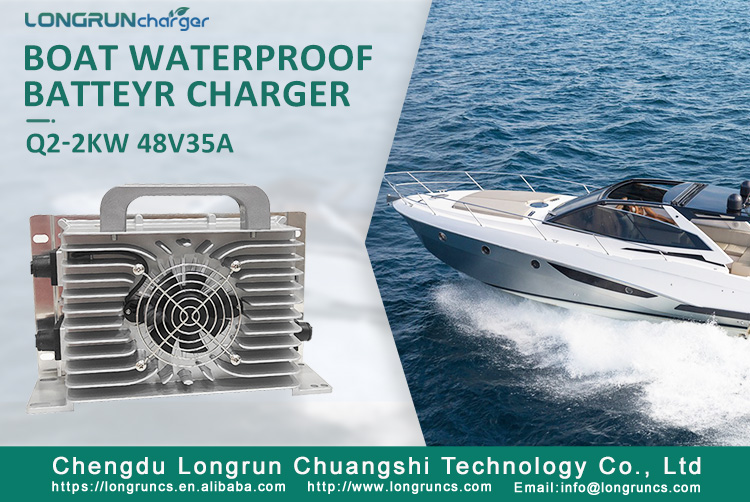
Choosing the right on board charger for your Boat is crucial. It helps ensure adequate flow to the various electrical components aboard, whether for personal leisure or more critical instrumentation like marine navigation systems.
The first thing you need to know is the battery pack’s amp-hour rating. This will determine what size charger you need to charge the batteries.
Fast Charging
A high-quality marine battery charger is a vital tool for keeping your boat’s batteries charged. Batteries will last longer if they are recharged regularly, and you’ll also be less likely to have to replace them.
A battery charger is a machine that converts AC power into safe DC power for charging batteries, and there are many different types available on the market. To find the right one for your boat, consider the size of your boat’s power supply and its voltage and amperage requirements.
You should also look at the charger’s output capacity. If you’re going to be using multiple batteries on your boat, you should choose a dual-output marine battery charger that can simultaneously charge up to four batteries. A good quality marine battery charger will prioritize the 12V battery and make sure it reaches an 80% state of charge before starting to charge the other batteries.
To determine the charger’s output amp hour rating, you can use a simple equation: the battery AH rating / the charger amperage. For example, a 75Ah battery will take about 10 hours to charge with a 7.5-amp charger. Remember to factor in ambient outdoor temperatures. Depending on where and how often you boat, the temperature of your environment will impact the charging speed of your batteries.
Battery Pack Voltage and Capacity
In order to keep batteries topped up and functioning properly, a battery charger must be compatible with the specific chemistry and voltage of each battery. Moreover, the battery charger should be capable of charging multiple batteries simultaneously.
The ideal charger size is typically determined by the battery's amp-hour rating. For example, a Minn Kota Endura C2 30LB trolling motor with an 85-amp hour rating would require an 8.5-amp charger. In addition, the ambient outdoor temperatures can also affect the type of charger you should buy.
Power boats and sailboats typically utilize several batteries to power everything from the starter motor to various quality-of-life accessories. Therefore, you should select a battery charger that can charge a maximum of six batteries.
The capacity of the battery charger is measured in amperes (Ah). Generally, the higher the amp-hour capacity, the faster the charger will charge a battery. However, a charger that is too powerful may overcharge the batteries and damage them. Some chargers offer a trickle charge mode that provides a low flow of electricity to keep batteries topped up without overcharging them. A trickle charger is suitable for both lead-acid and lithium-ion boat batteries. However, a trickle charge mode is slower for lithium batteries. It may take up to 10 hours for a 100Ah battery to fully charge.
Waterproof Protection Function
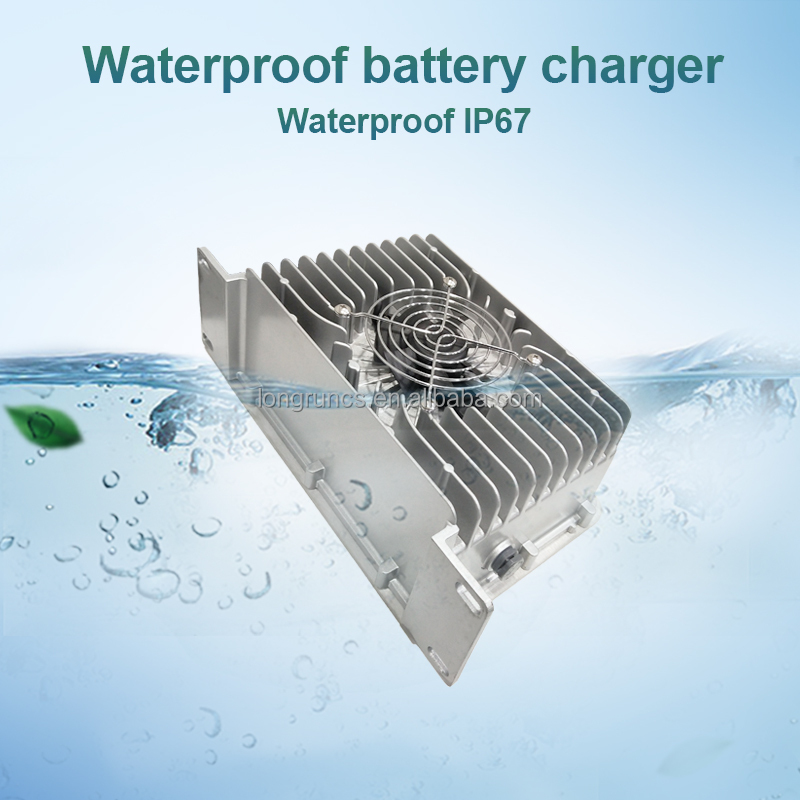
Marine battery chargers have the important task of maintaining adequate charge levels for your various aboard systems. To ensure your boat's electronics are tropicalized to withstand the maritime environment, it is advisable to add battery and charger cleaning and inspection procedures to your routine maintenance schedule.
A quality onboard charger is waterproof and will automatically sense the power requirements of each component and charge them accordingly. This feature helps to prevent overcharging, overheating, short-circuits, reverse polarity, and sparking. It also prevents corrosion and sulfation on the battery terminals, which can be a major fire hazard.
Whether you have an AGM, flooded, or lithium batteries, you can find a multi-bank onboard charger that is compatible with your battery type specifications. In addition to charging the batteries, some can also maintain them in a trickle mode, which prevents overcharging and extends the battery life.
Installing an onboard charger isn't the most complex job and even a novice DIYer can complete this project in a weekend. However, it is important to take the safety precautions and have a basic understanding of DC wiring. If you do not, you can damage your charger or your boat's wiring system when performing the installation. It is advisable to install a fuse or circuit breaker between the charger and battery bank to protect against electrical faults.


表单2
Your Name*
*Phone Number*
*Email*
*Leave Your Message*
*